

When severe weather strikes Northern Virginia, homeowners often face sudden roof leaks, blown‐off shingles, or fallen tree branches that demand immediate attention. Emergency roof repair isn’t just about restoring your property’s curb appeal; it’s a critical step in preventing water intrusion, mold growth, and structural damage. This guide analyzes prevailing industry data, semantic entities, and insights from leading Northern Virginia roofing blogs to present a comprehensive overview of emergency roof repair costs. It also integrates key factors like materials, labor, insurance claims, and response times to help property owners budget effectively.
The Urgency of Emergency Roof Repair
Northern Virginia’s weather can swing from intense summer thunderstorms to winter ice dams, subjecting roofs to hail impact, wind uplift, and heavy rainfall. Unlike routine maintenance or scheduled replacements, emergency roof repair addresses active problems that threaten the integrity of the home immediately. Delaying service by even a few hours can multiply secondary damage—from soaked insulation to compromised electrical systems—and escalate repair costs. Recognizing the signs of a roofing crisis and understanding its financial implications are essential for safeguarding both your home and your wallet.
Mature oak limbs, wind‐torn asphalt shingles, and collapsed soffits can transform a minor nuisance into a major disaster overnight. Roofing contractors in Fairfax, Loudoun, and Arlington counties typically stock emergency tarping materials, roofing cement, and specialized tools to halt water intrusion within 1 to 4 hours of dispatch. Insurance adjusters often require photo documentation and moisture meter readings to validate claims, underscoring the importance of rapid professional intervention in these scenarios.
When homeowners seek immediate protection from leaks and storm damage, they call on Emergency Roof Repair in Northern Virginia services that are available round the clock. These specialists combine rapid tarping, temporary patching, and comprehensive inspections to stop active leaks first, then schedule permanent fixes. By prioritizing safety and stabilization, they prevent drywall collapse, warped floorboards, and mold colonization, saving thousands in potential secondary repairs.
Factors Influencing Emergency Roof Repair Pricing

Several elements converge to determine the final emergency roof repair invoice. While exact figures vary by contractor and ZIP code, key cost drivers include:
- Extent of Damage: Size and number of leaks, missing shingles, punctured underlayment, or damaged flashing
- Roofing Material: Asphalt shingles, metal panels, flat‐roof membrane, or tile each carry distinct price points
- Labor and Response Time: After‐hours or weekend work often incurs premium hourly rates
- Temporary Solutions: Emergency tarping and professional grade roofing cement or sealant
- Trip Fees and Equipment: Dispatch charges, scaffold rental, and specialized leak detection tools
- Permits and Local Codes: Certain counties may require emergency permits before repairs commence
These factors collectively shape emergency roofing quotes, which can range from a few hundred dollars for small patches to several thousand for major structural leaks.
| Repair Type | Typical Cost Range |
| Small Shingle Patch (up to 15 sq ft) | $200 – $500 |
| Chimney/Flashing Reseal | $300 – $800 |
| Flat‐Roof Membrane Patch | $400 – $1,200 |
| Emergency Tarping (24/7 Service Fee) | $450 – $800 |
| Trip Fees (credited on full repair) | $100 – $300 |
Roofers often emphasize that early intervention curtails the escalation of costs. A single half‐square foot leak left unaddressed can compromise dozens of square feet of roof decking, multiply labor hours, and necessitate full underlayment replacement rather than a simple patch.
When unexpected roof damage strikes, many homeowners sign up for Free Roof Inspections In Northern VA before weather events hit. These no-obligation inspections help identify vulnerable shingles, clogged gutters, and failing flashing. Timely detection of these issues prevents minor problems from turning into full-blown emergencies, often saving hundreds or even thousands in urgent repair fees.
Material and Labor Premiums
Emergency work often occurs outside standard business hours. Roofer crews dispatched on weekends or evenings may charge 1.5× to 2× their regular hourly rate. Furthermore, specialty materials such as high-grade EPDM membrane for flat roofs or Class IV impact-resistant shingles carry higher per-square-foot costs. Residents of higher-cost municipalities like Arlington or McLean should also anticipate surcharges tied to local building permit fees and stricter code enforcement.
Navigating the Insurance Roof Claim Process
Filing an insurance roof claim can significantly offset emergency repair expenses, but it demands thorough documentation and an understanding of policy specifics. Most homeowner policies cover sudden storm damage but exclude wear-and-tear. To maximize reimbursement:
- Photograph interior stains, sagging ceilings, and exterior damage from multiple angles
- Record moisture readings and professional inspection reports
- Secure a line‐item estimate distinguishing emergency tarping, leak detection, and permanent repairs
- Submit adjuster‐ready documentation, including contractor credentials and local licensing
- Follow up promptly on requests for supplemental information to fast-track claim approval
When adjusters verify that emergency tarping and repairs were necessary to prevent further damage, insurers often reimburse these costs in full, subject to deductibles.
Determining What Counts As A Roofing Emergency can influence both repair urgency and insurance coverage. True emergencies typically include active leaks causing water intrusion into living spaces, structural sagging or collapse risk, punctures from fallen trees, and fire-related damage. Recognizing these conditions helps homeowners justify immediate claims and avoid denial for perceived “non-emergency” situations.
Temporary Measures Before Permanent Repair
Even a professional crew needs a window to perform permanent restoration. In the interim, effective homeowner actions can limit damage:
- Place buckets or plastic bins under active drips to protect floors and furniture
- Cover valuables with thick plastic sheeting
- Drill a small hole in bulging drywall ceilings to release pooled water safely
- Secure high-strength tarps over roof punctures using weighted boards or sandbags—avoid nails to prevent further deck damage
- Turn off electricity in flooded areas to mitigate shock risk
These steps, performed safely, can preserve the home while waiting for a certified emergency roofer to secure a complete fix.
For guidance on homeowner repairs, many search “Temporary Roof Leak Fixes Before Emergency Repair” to find instructional videos and toolkits that outline safe tarp installation, professional-grade sealant applications, and attic-based leak detection.
Speed Versus Cost: The Trade-Off
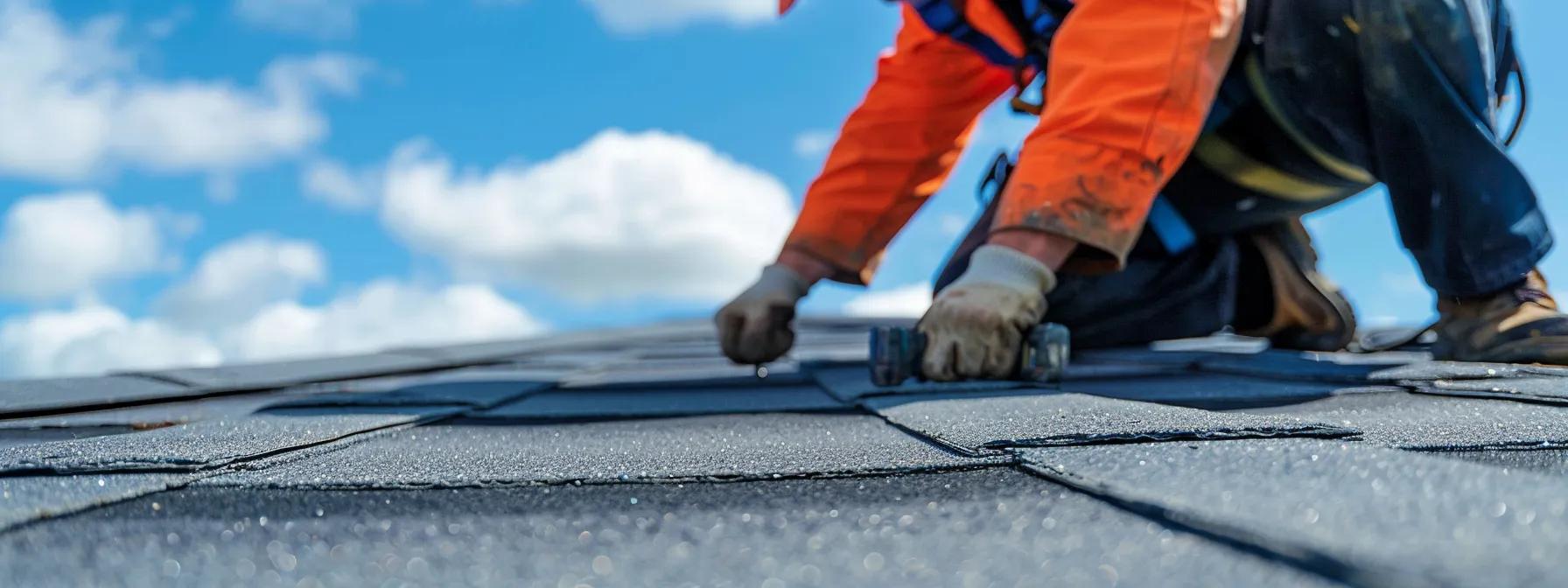
The speed of response directly impacts labor premiums and materials availability. A 24-hour turnaround team that arrives within two hours may charge more, but it prevents escalating secondary damage—often a cost-effective choice in retrospect. Conversely, a 12-hour response with standard rates might suffice for minimal leaks detected before interior damage sets in. Homeowners must weigh immediacy against budget constraints, particularly when multiple quotes offer varying arrival windows.
Reputable contractors advertise Emergency Roof Repair Speed In Northern VA as a key differentiator, posting guaranteed response times—often under four hours in Fairfax and Loudoun counties—to ensure homes remain protected through the night or during approaching storms.
Choosing the Right Emergency Roofing Contractor
Selecting a qualified local roofing company requires due diligence:
- Verify state and county licensing, as Northern Virginia mandates specific roofing credentials
- Confirm comprehensive workers’ compensation and general liability insurance
- Review real-time customer testimonials from platforms like Google, Yelp, and Angie’s List
- Ask for written arrival windows and a clear scope of work detailing temporary and permanent solutions
- Ensure the contractor can assist with insurance documentation and local permit facilitation
Proper vetting prevents scams—storm-chasing outfits that take deposits without delivering work frequently target homeowners after major weather events.
A professional contractor familiar with regional architecture will understand the integration of underlayment, roof decking, soffit ventilation, drip edge installation, and ridge vent systems to deliver a lasting solution rather than a stopgap.
Cost-Saving Tips and Preventative Maintenance
While emergency roof repair addresses pressing threats, proactive measures can reduce both frequency and expense of urgent calls:
- Schedule semi-annual roof inspections and gutter cleanings to remove debris and prevent water backup
- Trim overhanging branches flagged by the National Weather Service as potential projectiles in high winds
- Install ice-and-water shield underlayment in vulnerable roof valleys to prevent winter ice-dam damage
- Subscribe to maintenance plans offering priority dispatch, discounted repairs, and documentation for extended warranties
- Invest in impact-resistant Class IV shingles if your home is in a hail-prone microclimate
These actions extend roof lifespan by 5–7 years on average, significantly lowering the lifetime cost of emergency interventions.
Financing options tailored for roofing projects—ranging from 0% introductory interest to low-monthly installments—allow homeowners to distribute the cost of both emergency and permanent repairs without depleting savings. Detailed written warranties covering labor until the permanent fix date offer additional peace of mind.
Conclusion
Emergency roof repairs in Northern Virginia demand a balance of speed, cost-effectiveness, and quality. From immediate tarping to full patch or flashing replacement, understanding the interplay of material costs, after-hours labor premiums, and insurance coverage empowers homeowners to make informed decisions. By partnering with licensed professionals and adopting preventative maintenance, property owners can both mitigate the financial impact of urgent repairs and preserve the integrity of their roof systems.
In situations requiring swift, reliable emergency roofing services guided by local expertise, trust Colonial Contracting Inc. to deliver lasting protection and clear communication every step of the way.
Frequently Asked Questions
- How much does emergency roof tarping cost in Northern Virginia?
Emergency tarping typically ranges from $450 to $800, depending on tarp size and response time. Some contractors credit the trip fee toward subsequent permanent repair.
- Will homeowners insurance cover emergency roof repair after a storm?
Most standard homeowners policies cover sudden storm damage, including emergency tarping and leak stoppage, once a deductible is met. Proper documentation and adjuster-ready reports are essential for claim approval.
- How quickly can an emergency roofer arrive in Northern Virginia?
Top local crews offer guaranteed response within 1–4 hours in Fairfax, Loudoun, and Prince William counties. Availability during peak storm events may vary, so priority dispatch plans are recommended.
- Can DIY leak repairs reduce emergency repair costs?
Simple attic leak detection and bucket placement can minimize interior damage, but professional tarping and underlayment repairs require specialized tools and safety equipment better handled by experienced roofers.
- What should homeowners prepare before the emergency roofer’s arrival?
Clear driveway access, secure pets, photograph visible damage, and have insurance policy details ready. Ensuring interior hazards—like wet electrical outlets—are de-energized enhances safety for both occupants and crew.


