

Homeowners in Virginia often face a critical question when wind, hail, or fallen trees wreak havoc on their roofs: does homeowners insurance cover emergency roof repair? This pressing matter affects property owners across urban centers and rural counties alike, from Alexandria to Fairfax and beyond. Understanding the nuances of emergency roof repair, policy roofing repair protocols, and storm damage coverage in Northern Virginia equips homeowners to navigate claims with clarity. By delving into coverage specifics, deductible implications, and the claims process, this guide offers a comprehensive overview for Virginia residents seeking swift, cost-effective solutions.
Understanding Emergency Roof Repair and Policy Coverage
Emergency roof repair arises when sudden, unexpected events compromise the integrity of shingles, underlayment, or decking and demand immediate action. Falls from tree limbs, torn-off shingles in a windstorm, and punctures from hailstones underscore why swift response is crucial to stave off water intrusion, mold development, and structural rot. Most standard homeowners insurance policies include dwelling coverage, which may apply when damage qualifies as a covered peril under the policy’s definitions. However, wear and tear, maintenance issues, and gradual deterioration typically remain the homeowner’s responsibility.
Insurance companies distinguish between replacement cost value (RCV) and actual cash value (ACV) when determining payouts. Under an RCV policy roofing repair scenario, the insurer reimburses the full cost of materials and labor needed to restore the roof to its pre-loss condition, minus any deductible. Conversely, ACV calculations factor in depreciation, potentially lowering claim payouts for older roofs. Recognizing which valuation method your policy employs is pivotal for accurate financial planning when facing emergency repairs.
To navigate coverage, a homeowner should first assess whether the damage qualifies as a covered peril. Hurricanes, hailstorms, falling debris from wind-driven branches, and fire-induced blow-offs typically meet the “sudden and accidental” criteria insurers require. In contrast, routine replacements of outdated asphalt shingles that have expired beyond their expected 20- to 25-year lifespan often fall under policy exclusions. Predictions from the National Oceanic and Atmospheric Administration (NOAA) suggest severe weather remains a year-round possibility in the Old Dominion, emphasizing the value of proactive policy review.
Covered Perils vs. Exclusions
A table comparing common covered perils and usual exclusions underscores the importance of understanding policy details before filing a claim.
| Covered Perils | Typical Exclusions |
| Wind damage (shingle blow-off) | Wear and tear after 15–20 years |
| Hail impact (dented metal roofing) | Gradual deterioration and decay |
| Fallen tree limbs causing punctures | Neglected maintenance issues |
| Fire, lightning strike damage | Rust, mold, or insect damage |
| Vandalism or malicious acts | Flooding and earthquake events |
This breakdown highlights that while emergency roof repairs tied to storm damage coverage are often entitled to insurance payouts, homeowners must verify that the policy language includes the specific cause.
Filing a Roof Insurance Claim: Step–by–Step
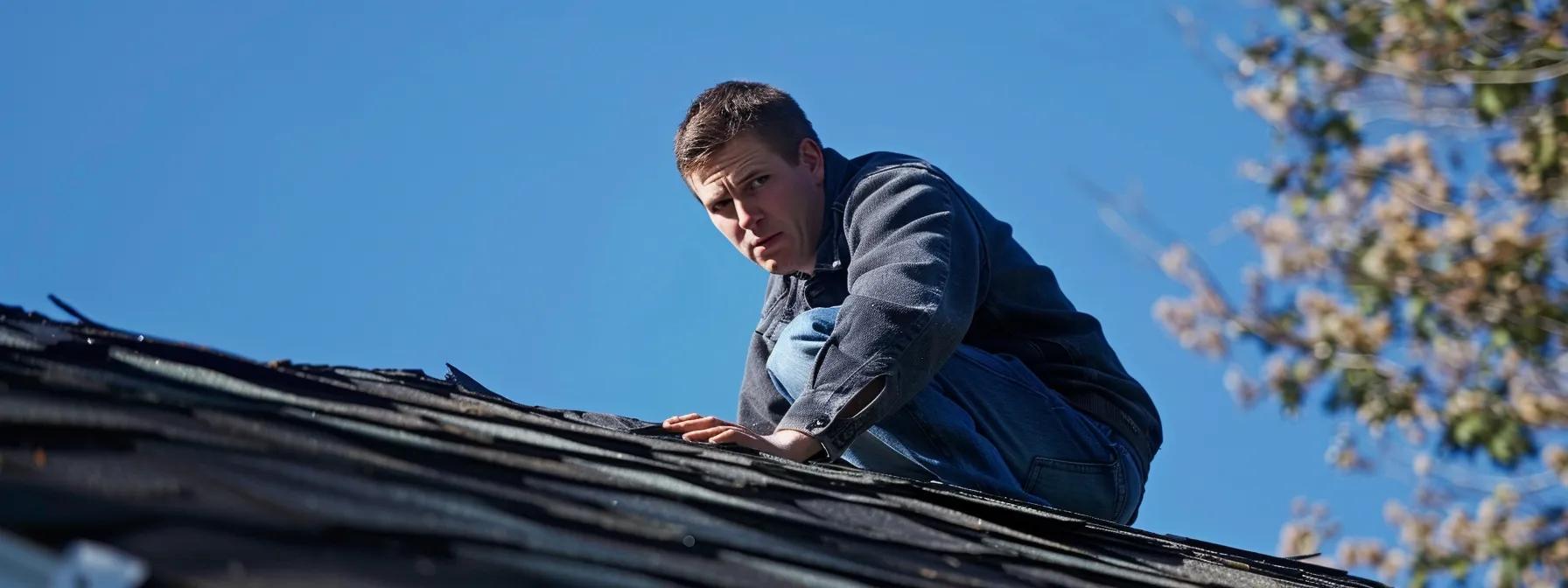
Initiating a successful roof insurance claim hinges on meticulous documentation and timely communication. The process typically unfolds in several phases:
- Immediate Damage Assessment: Photograph all compromised areas from multiple angles, ensuring clear evidence of missing shingles, punctures, or collapsed roofing deck sections.
- Temporary Protective Measures: To prevent further water intrusion, employ tarps or plywood over the breach—actions your insurer may factor into the final settlement.
- Policy Review and Agent Notification: Scrutinize your insurance declarations page to confirm dwelling coverage limits and deductible amounts, then promptly notify your insurer of the impending claim.
- Adjuster Inspection: Insurance adjusters will schedule an on-site examination; accompany them to clarify damage origins and existing roof condition.
- Estimate Comparison: Obtain at least two independent estimates from licensed roofing contractors, ensuring alignment with the adjuster’s findings.
- Approval and Repair Execution: Upon claim approval, proceed with permanent repairs, guaranteeing adherence to local building codes and shingle manufacturer requirements.
Oversights—such as failing to document minor leaks or neglecting to file within the policy’s stipulated timeframe—can jeopardize coverage eligibility. Insurers generally mandate reporting within 30 to 60 days after damage occurrence. Homeowners who delay risk denials based on alleged homeowner negligence.
Cost Factors and Deductible Implications
The out-of-pocket costs for an Emergency Roof Repair in Northern Virginia often hinge on the policy’s deductible structure. Most standard policies feature either a flat-dollar deductible, commonly ranging from $500 to $2,500, or a percentage-based deductible tied to the dwelling coverage limit, often 1% to 5%. For example, a 2% deductible on a $400,000 policy translates to $8,000; any repair costs below that threshold fall entirely to the homeowner.
Age and material type of the roof also influence repair costs. Asphalt shingles, the most prevalent roofing material in Virginia, typically range from $100 to $150 per square (100 square feet) for mid-tier architectural shingles, while high-end metal panel roofs can exceed $300 per square due to specialized underlayment, membrane layers, and fastening hardware. Local labor rates for qualified roofers in Fairfax or Loudoun County often range from $50 to $80 per hour, reflecting metropolitan cost-of-living adjustments.
In some instances, policyholders can purchase endorsements—sometimes called “roof age” riders—to reduce or waive depreciation for roofs up to 20 years old. This upgrade tweaks an ACV policy toward RCV valuation for newer roofs, bolstering financial returns in the event of severe storm damage.
Comparing Deductibles and Coverage Outcomes
| Deductible Type | Typical Amount | Impact on Claim Settlement |
| Flat-Dollar | $500–$2,500 | Lower out-of-pocket but higher premiums |
| Percentage-Based | 1%–5% of coverage | Higher initial cost; can lead to significant savings if large claim |
| Roof Age Endorsement | Varies ($100–$300) | Reduces depreciation; often best for newer roofs |
Understanding deductible dynamics helps homeowners evaluate whether to file a small roof insurance claim or defer minor repairs to avoid premium hikes. Large-scale storm damage, however, generally justifies the claim despite deductible outlays.
Temporary Measures and Speed of Repair
When water starts seeping into the attic or living spaces, the need for urgent intervention becomes paramount. Immediate, short-term actions can mitigate interior damage while the full insurance claim and permanent repairs move forward. Such steps include clearing debris from gutters to restore drainage and securing loose flashings around chimneys, vents, and skylights.
A separate table outlines the recommended temporary fixes versus permanent solutions and typical timelines.
| Repair Phase | Short-Term Fix | Permanent Solution | Typical Timeline |
| Leak Patch | Waterproof tarp over breach | Replace damaged underlayment and shingles | 1–2 days (patch), 1–3 weeks (full repair) |
| Shingle Blow-Off | Nail down loose shingles | Install new architectural-grade shingles | 1 day (patch), 2–4 days (full) |
| Flashing Failure | Sealant application at flashing edge | Replace metal flashing and seal joints | Same day (sealant), 1 week (full) |
| Gutter Overflow Begins | Clean gutters and downspouts | Install new gutter guard system | Same day maintenance, 1–2 days for install |
Throughout the process, prompt communication with the roofing contractor and insurer optimizes the Emergency Roof Repair Speed In Northern VA and ensures minimal secondary damage. Delaying either permits water to compromise interior drywall, insulation, and structural beams.
A homeowner inspecting the site after a rain event may find discoloration or sagging drywall where moisture has accumulated, evidence that swift temporary patchwork is essential. Insurance adjusters typically appreciate documented proactive measures, as they limit overall claim payouts and protect the home’s structural integrity.
Storm Damage Coverage Nuances
Understanding the breadth of storm damage coverage is critical. Wind-driven hail often dislodges shingle granules and leaves pockmarks in metal roofing, creating pathways for water intrusion. Falling tree limbs can puncture decking, while torrential rain can overwhelm compromised shingle systems. Insurance policies routinely cover perils such as windstorms, lightning, hail, and wildfires, while excluding damage from floods—unless a separate flood insurance rider is in place.
Policyholders frequently misunderstand the difference between a general storm-related claim and actual flood coverage. For example, if heavy rains accumulate on a sagging roof and water enters the home, the root cause (structural failure) often dictates coverage, not the subsequent flooding. Filing a roof insurance claim based on storm damage protection typically secures coverage for the initial breach, whereas flood policies handle ground water that migrates upward through foundation cracks.
Entities like the Virginia Department of Insurance recommend homeowners schedule a Free Roof Inspections In Northern VA annually, ideally before hurricane season, to identify vulnerabilities. Roofers can verify shingle adhesion, flashing integrity, and underlayment condition, presenting homeowners with maintenance recommendations that insurers respect when adjudicating claims.
What Counts As a Roofing Emergency?
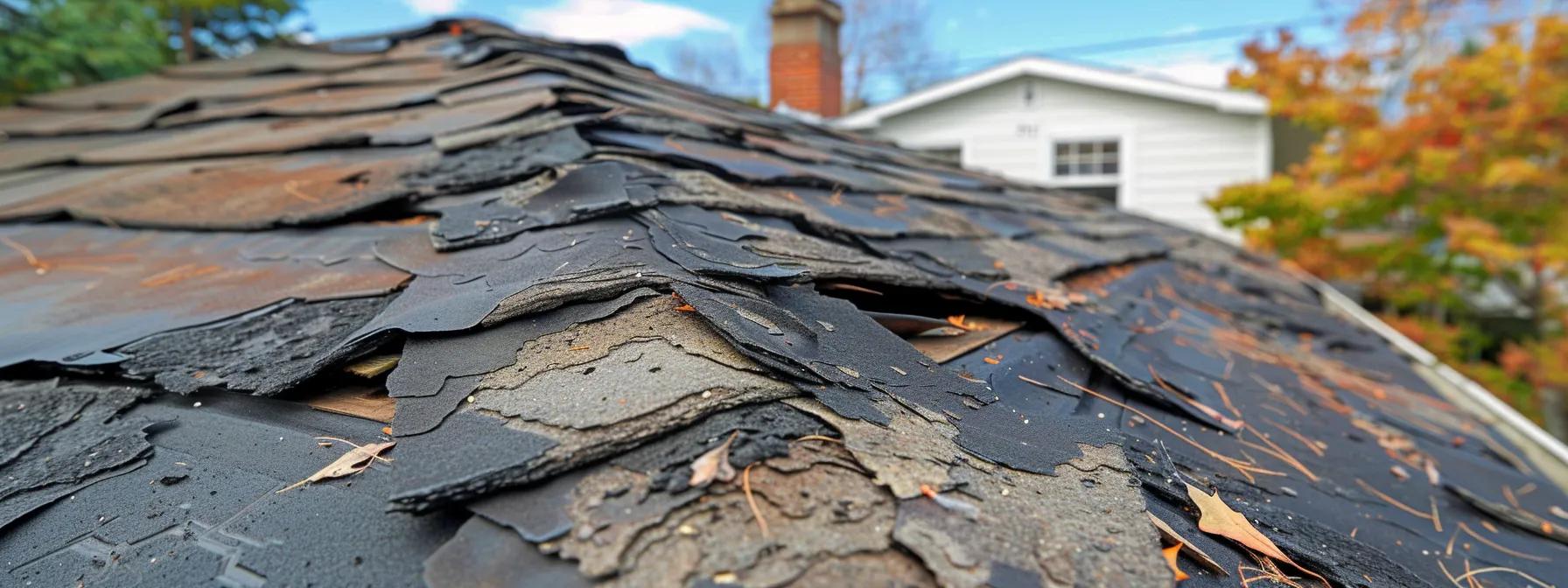
Insurance carriers often define emergencies as circumstances posing imminent risk of interior damage, mold growth, or structural collapse. Roof issues rising to an emergency level include active leaks in living spaces, caved-in decking, severely displaced trusses, and punctures wider than two square feet. Minor granule loss after hail might not qualify as an emergency but still merits prompt repair to deter escalated damage.
Legal definitions for emergency repair vary slightly by carrier but usually encompass:
- Active water ingress into living spaces
- Visible sagging or deformed roof planes
- Fire or smoke damage compromising roof structure
- Fallen trees or limbs leaving unprotected cavities
Homeowners questioning whether their situation meets the policy’s emergency criteria can consult an adjuster or licensed roofer. Many roofers offer guidance on What Counts As A Roofing Emergency, clarifying that unpredictable leaks and structural risks warrant immediate action to preserve both lives and property value.
Managing Repair Speed and Costs
The urgency of emergency roof repairs correlates directly with cost factors. Peak seasons—spring and fall in Virginia—often see heightened demand, which can inflate labor rates by 10% to 20%. Conversely, scheduling emergency repairs during midweek or off-peak hours can reduce wait times and contractor premiums. Most reputable roofing companies commit to initiating temporary emergency roof repairs within 24 to 48 hours of loss notification, a timeframe that insurers regard as reasonable.
Repair costs fluctuate based on material type, roof pitch, and accessibility. Low-slope roofs may require specialized membrane installation, while steeply pitched roofs can incur premium labor rates for harnessed work. Homeowners should request detailed line-item estimates that delineate emergency stabilizing efforts, materials costs, and proposed permanent restoration tasks. Such transparency prevents surprise bills after the claim settlement arrives.
Given the intricate cost variables, many homeowners use cost calculators provided by roofing contractors to project Emergency Roof Repair Cost In Northern VA. These tools integrate shingle type, roof size in squares, and deductible amounts to yield instant budget projections. While not a substitute for formal estimates, such calculators help set realistic expectations during the claims process.
The Role of Colonial Contracting Inc.
Licensed contractors serve as homeowner advocates when dealing with insurance companies. Firms like Colonial Contracting Inc. collaborate directly with adjusters to substantiate claim values, documenting damage through drone imaging, infrared scans, and moisture meters. By championing fair settlements, they ensure policyholders receive the full benefits to which they are entitled.
Colonial Contracting Inc. also offers financing options for supplemental upgrades—such as enhanced impact-resistant shingles, enhanced ice-and-water shields, or extended labor warranties—that insurers may exclude. Financing bridges the gap between policy reimbursements and homeowner goals for superior roof performance and longevity.
Five Frequently Asked Questions
- Does homeowners insurance in Virginia cover emergency roof repair following a hailstorm?
Yes, most standard homeowners insurance policies include hail as a covered peril. Provided the policy is an ACV or RCV plan and the damage qualifies as “sudden and accidental,” emergency roof repair expenses—such as tarping, underlayment replacement, and shingle restorage—are contractually covered, less any deductible.
- How quickly should one file a roof insurance claim after storm damage?
Insurers typically require claims to be reported within 30 to 60 days of the event. Prompt reporting, ideally within the first week, prevents coverage disputes related to homeowner negligence or delayed claims.
- Are emergency tarping and protective measures reimbursable?
Yes. Temporary fixes like commercial-grade tarps, plywood patches, and flashing sealants are considered reasonable mitigation expenses and are generally reimbursable under the emergency repair portion of the policy.
- Will filing a roof claim increase my premiums?
While a single claim does not guarantee a premium increase, repeated claims within a policy term may affect future rates. Many insurers offer claim forgiveness for first-time storm damage claims, and choosing higher deductibles can minimize premium fluctuations.
- Can older roofs receive full replacement cost coverage?
Roofs older than 15 to 20 years often face depreciation deductions under ACV policies. To secure full RCV payouts, homeowners can add endorsements or upgrade their policy to include replacement cost value coverage for roofs up to 25 years old.


